If you are buying, selling, registering, transferring, or bringing a vehicle into Ontario, one of the first questions you may ask is: how much does a safety certificate cost in Ontario?
The most accurate answer is this: Ontario does not set one fixed government price for a Safety Standards Certificate inspection. The cost can vary depending on the inspection centre, vehicle type, condition of the vehicle, and whether any repairs are needed before the certificate can be issued.
A Safety Standards Certificate is not just a simple piece of paper. It is issued after a vehicle passes an inspection under Ontario’s safety inspection requirements. The inspection is designed to confirm that the vehicle meets Ontario’s minimum road safety standards at the time it is inspected.
For drivers in Kitchener, Waterloo, Cambridge, and nearby areas, this topic matters because a safety certificate is commonly needed when transferring ownership of a used vehicle, registering certain vehicles, or getting a vehicle ready for road use in Ontario.
Need a same-day safety certificate in Kitchener? Book your inspection at Ironix Auto.
What Is a Safety Standards Certificate in Ontario?
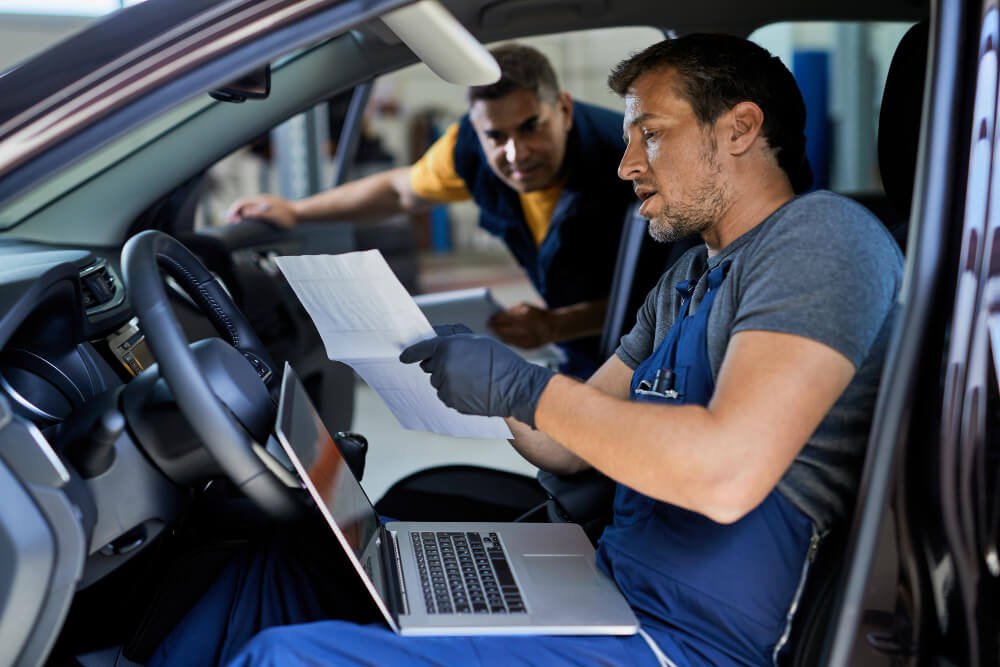
A Safety Standards Certificate, often called a safety certificate or safety inspection certificate, is a document that confirms a vehicle met Ontario’s minimum safety standards when it was inspected.
It is important to understand what this certificate does and does not mean.
A safety certificate confirms that the vehicle passed the required safety inspection at the time of inspection. It does not mean the vehicle is perfect, new, mechanically flawless, or guaranteed to remain problem-free in the future. It is also not the same as a full pre-purchase mechanical inspection, warranty inspection, or diagnostic inspection.
Ontario’s Passenger/Light-Duty Vehicle Inspection Standard explains that the purpose of the inspection is to confirm that the vehicle meets a minimum safety standard at the time of inspection. In other words, the certificate is about road safety compliance, not long-term reliability.
This is why a vehicle can pass a safety inspection but still have maintenance items that may need attention later. For example, a vehicle may pass with parts that are currently within standard but may still be aging, worn, or approaching the end of their service life.
How Much Does a Safety Certificate Cost in Ontario?
The Ontario government does not regulate the price of a safety standards inspection or certificate. This means there is no single official fee that applies across the province.
Each authorized inspection facility sets its own price based on factors such as labour time, inspection equipment, vehicle type, technician availability, and shop operating costs.
Because pricing is not fixed by the province, the best way to know the exact cost is to contact the inspection centre directly before booking. A reputable shop should be able to explain what is included in the inspection fee and whether repairs, re-inspection, taxes, or additional services are separate.
In most cases, the inspection fee covers the inspection process itself. If the vehicle fails because it needs repairs, those repair costs are usually separate. The final total can therefore be much higher than the inspection fee if the vehicle needs brakes, tires, lights, suspension parts, steering components, exhaust repair, windshield work, or other safety-related repairs.
That is why the better question is not only “What does the certificate cost?” but also “What condition is the vehicle in before inspection?”
Why the Cost Can Vary Between Ontario Inspection Centres
Safety certificate pricing can vary from one Ontario inspection centre to another because the inspection requires trained technicians, proper equipment, documentation, and time.
Several factors can affect the final cost:
1. Vehicle Type
A small passenger car may not require the same inspection time as a larger SUV, pickup truck, van, commercial vehicle, or modified vehicle. Some vehicles are easier to inspect, while others require more time because of size, access, age, rust, or design.
2. Vehicle Condition
A clean, well-maintained vehicle may pass without needing repairs. An older vehicle, a car that has been parked for a long time, or a vehicle purchased privately may need repairs before it can pass.
Common safety-related repair areas include:
- Brakes
- Tires
- Steering
- Suspension
- Lights and signals
- Windshield and wipers
- Exhaust system
- Seat belts
- Body or structural condition
- Fuel system issues
- Fluid leaks
- Wheel and tire condition
If repairs are required, the certificate cannot be issued until the vehicle meets the required standard.
3. Inspection Centre Pricing
Since Ontario does not regulate the inspection price, each DriveON or authorized inspection centre may charge differently. Some shops may charge a basic inspection fee, while others may offer packaged pricing depending on the vehicle and service need.
The cheapest inspection is not always the best choice. A proper safety inspection should be completed carefully, accurately, and honestly. A rushed or unclear inspection can create problems during ownership transfer, registration, or future repairs.
4. Repairs and Re-Inspection
If the vehicle fails the first inspection, the shop should explain which items failed and what repairs are required. Depending on the shop’s policy, there may be a re-inspection process after repairs are completed. You should always ask whether re-inspection is included, discounted, or billed separately.
5. Same-Day Availability
Some drivers need a safety certificate urgently because they are buying or selling a vehicle, completing registration paperwork, or finalizing a transfer. Same-day or urgent appointments may depend on technician availability and the condition of the vehicle.
At Ironix Auto in Kitchener, same-day safety certificate service may be available depending on schedule and vehicle condition.
When Do You Need a Safety Certificate in Ontario?
A safety certificate is commonly required in Ontario when a vehicle needs to be registered or transferred as fit for the road.
You may need one when:
- You are transferring a used vehicle to a new owner
- You are registering a rebuilt vehicle
- You are registering a vehicle in Ontario that came from another province, territory, or country
- You are changing a vehicle’s status from unfit to fit
This is why safety certificate searches are often high-intent. People searching for this information are usually close to taking action. They may be buying a car, selling a car, registering a vehicle, moving a vehicle into Ontario, or preparing paperwork for ServiceOntario.
If you are unsure whether your specific situation requires a safety certificate, check Ontario’s official requirements or contact ServiceOntario before booking.
How Long Is a Safety Certificate Valid in Ontario?
A Safety Standards Certificate in Ontario is valid for a limited period for registration purposes. Ontario commonly treats the certificate as valid for 36 days from the inspection date.
This matters because if you complete the inspection too early and do not finish your registration or ownership transfer within the valid period, you may need another inspection.
For example, if you are buying a used vehicle privately, it is smart to plan the timing carefully. Do not wait too long after the inspection to complete the ownership transfer. If the certificate expires before the registration process is completed, it may no longer be accepted for that purpose.
What Is Checked During an Ontario Safety Inspection?
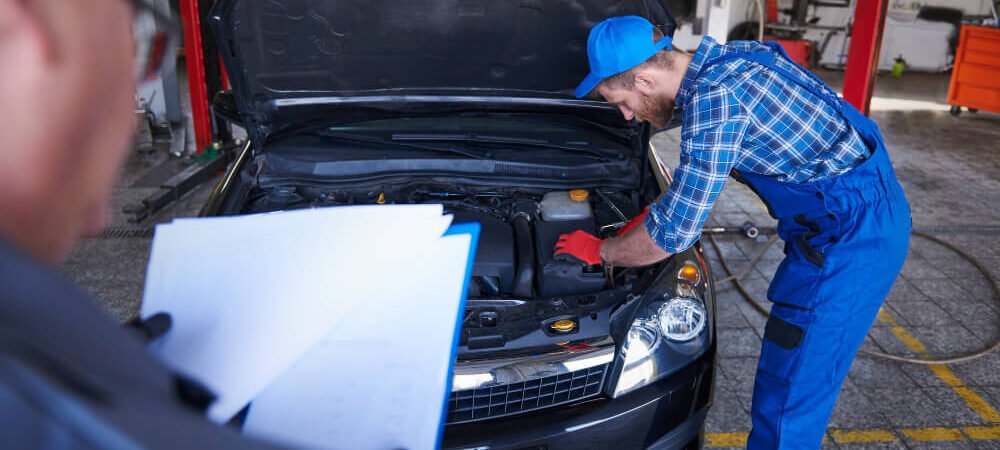
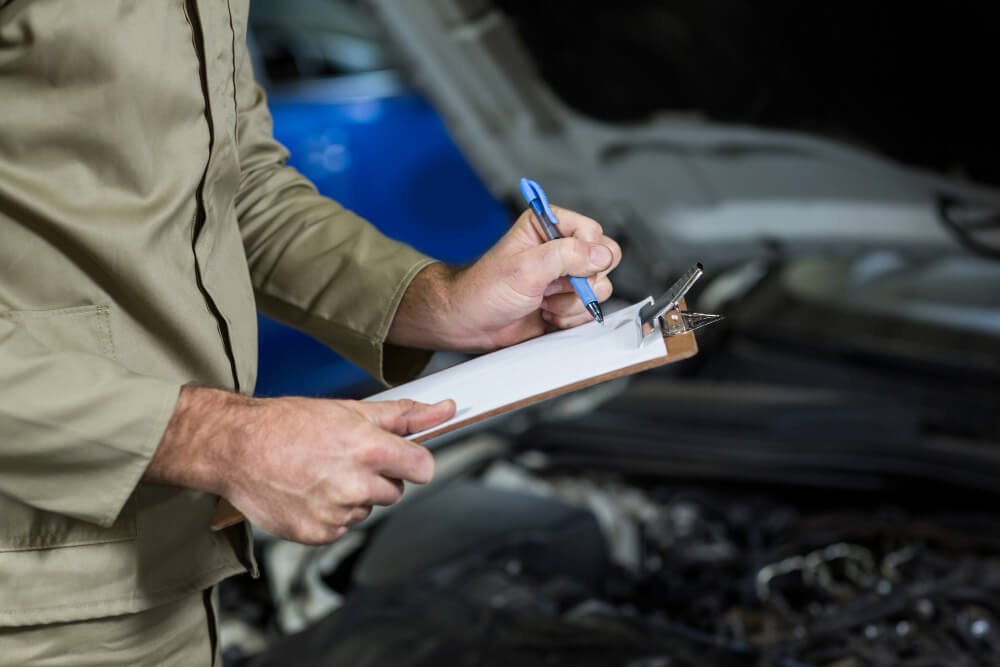
A safety inspection is not just a quick visual glance. Ontario’s inspection standard covers many safety-related vehicle systems.
For a passenger or light-duty vehicle, the inspection may include areas such as:
Braking System
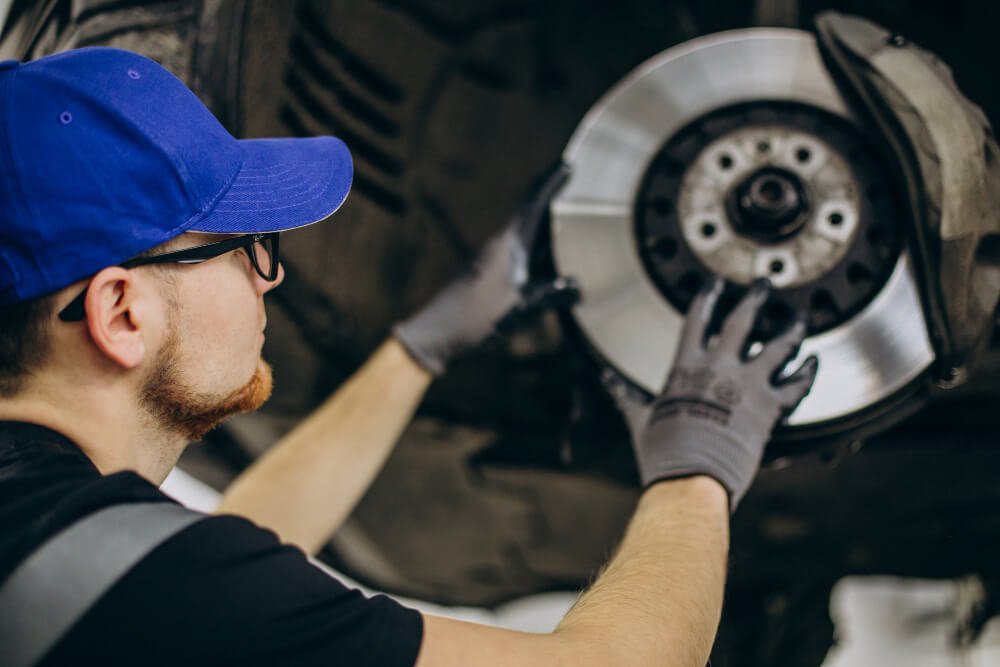
The braking system is one of the most important areas in any safety inspection. Technicians check components such as brake pads, rotors, drums, shoes, brake lines, hoses, parking brake operation, and signs of unsafe wear or damage.
A vehicle with worn-out brakes, leaking brake lines, seized components, or unsafe brake performance may fail the inspection.
Tires and Wheels
Tires are inspected for tread depth, damage, inflation, condition, and suitability. Wheels may be checked for cracks, missing fasteners, damage, or unsafe mounting.
A vehicle may fail if tires are bald, damaged, improperly sized, or unsafe for road use.
Steering and Suspension
Steering and suspension components affect vehicle control, stability, and handling. Worn ball joints, tie rods, control arms, shocks, struts, bushings, or other loose components can create unsafe driving conditions.
These issues are common on older vehicles, high-mileage cars, and vehicles driven on rough roads.
Lights and Signals
Headlights, brake lights, turn signals, hazard lights, licence plate lights, reflectors, and other required lighting components must operate properly.
Lighting failures are among the easier items to check before an inspection. Before booking, it is wise to walk around the vehicle and test all exterior lights.
Windshield, Wipers, and Visibility
The windshield and wipers are checked because visibility is directly related to safety. Cracked glass, damaged wipers, or poor washer operation can create problems, especially during rain, snow, or winter driving.
Exhaust System
The exhaust system may be inspected for leaks, insecure parts, missing components, or unsafe condition. Exhaust leaks can be dangerous because fumes may enter the cabin.
Seat Belts and Occupant Safety
Seat belts and other occupant safety components must be present and function properly. Missing, damaged, or inoperative seat belts can cause a vehicle to fail.
Body, Frame, and Structural Condition
Body and structural safety are important, especially in Ontario where rust is common due to winter road salt. Severe corrosion, damaged structural areas, insecure panels, or unsafe body condition may affect whether the vehicle passes.
Does a Safety Certificate Include Repairs?
No. The inspection and certificate are not the same as repairs.
The inspection checks whether the vehicle meets the required safety standard. If the vehicle passes, a certificate can be issued. If it does not pass, repairs are needed before the certificate can be issued.
For example, if your inspection fee is one amount but the vehicle needs new brake pads, tires, a ball joint, or lighting repair, those repair costs will be separate.
A trustworthy repair shop should explain failed items clearly, show you what needs attention where possible, and provide transparent pricing before repairs begin.
At Ironix Auto, the goal is to provide clear communication so customers understand what is required for safety compliance and what may be recommended for future maintenance.
Can a Vehicle Fail a Safety Inspection?
Yes. A vehicle can fail a safety inspection if it does not meet Ontario’s required safety standards at the time of inspection.
A failed inspection does not always mean the vehicle is worthless. It means the vehicle needs specific repairs before it can be certified.
Common reasons vehicles fail include:
- Brake wear or brake fluid leaks
- Tires below safe tread depth
- Loose steering components
- Worn suspension parts
- Broken lights or signals
- Cracked windshield in a critical area
- Exhaust leaks
- Rust or structural concerns
- Seat belt issues
- Unsafe fluid leaks
- Insecure components
If the vehicle fails, ask the shop for a clear explanation of the failed items, repair estimate, and re-inspection process.
Safety Certificate vs. Pre-Purchase Inspection: What Is the Difference?
Many drivers confuse a safety certificate inspection with a pre-purchase inspection. They are not the same.
A safety inspection is focused on whether the vehicle meets Ontario’s minimum safety standards for certification. A pre-purchase inspection is broader and is usually done to help a buyer understand the overall condition of a used vehicle before purchasing it.
A pre-purchase inspection may include additional checks such as engine performance, transmission condition, diagnostic trouble codes, fluid condition, previous repair signs, maintenance concerns, and upcoming repair risks.
If you are buying a used vehicle, a safety certificate is useful, but it should not be treated as a full guarantee of the vehicle’s long-term condition. For better protection, consider getting a pre-purchase inspection before finalizing the deal.
Who Can Issue a Safety Certificate in Ontario?
Safety certificates must be issued through an authorized inspection process. Ontario has moved to the DriveON digital inspection program, which replaced the older paper-based Motor Vehicle Inspection Station program.
This means drivers should look for an authorized DriveON inspection centre or properly approved facility for their inspection needs.
Ironix Auto provides certified car safety inspections and Ontario safety certificate services in Kitchener through its authorized DriveON inspection centre.

How to Prepare Your Vehicle Before a Safety Inspection
Before booking your inspection, you can reduce the risk of simple failures by checking basic items yourself.
Here are practical steps:
Check All Lights
Test headlights, high beams, brake lights, reverse lights, turn signals, hazard lights, and licence plate lights. Ask someone to stand behind the vehicle while you press the brake pedal.
Inspect Tires
Look for low tread, cracks, bulges, uneven wear, or visible damage. Make sure tires are properly inflated.
Listen for Brake or Suspension Noises
Grinding brakes, clunking over bumps, pulling while braking, or steering vibration can point to issues that may need repair.
Check Windshield and Wipers
Replace worn wiper blades and check for cracks that may affect visibility.
Look for Warning Lights
Dashboard warning lights may indicate issues that should be diagnosed before inspection.
Check for Leaks
Look under the vehicle for obvious fluid leaks. Serious leaks can affect safety and may need repair.
These checks do not replace a professional inspection, but they can help you avoid surprises.
Where to Get a Safety Certificate in Kitchener
If you need a safety certificate in Kitchener, choose a shop that understands Ontario’s inspection standards and communicates clearly.
Ironix Auto provides car safety inspections and Ontario safety certificate services for customers in Kitchener, Waterloo, Cambridge, Guelph, and nearby communities.
Ironix Auto is located at:
Ironix Auto
1659 Victoria St N Unit 3
Kitchener, ON N2B 3E6
Phone: +1 519-744-8000
Whether you are buying a used vehicle, selling a vehicle, registering an out-of-province vehicle, preparing for rideshare requirements, or changing vehicle status from unfit to fit, the team can help you complete the inspection process professionally.
Final Answer: How Much Should You Budget?
Because Ontario does not regulate the price of a safety certificate inspection, there is no single official cost for every driver. The inspection fee depends on the inspection centre and vehicle type, and any required repairs are extra.
The safest approach is to call the inspection centre, ask for the current inspection price, confirm whether tax and re-inspection are included, and ask how repairs are quoted if the vehicle does not pass.
If your vehicle is well maintained, your cost may be limited to the inspection fee. If the vehicle needs safety-related repairs, your total cost will depend on the parts and labour required to bring it up to Ontario safety standards.
For Kitchener drivers who need a fast and professional inspection, Ironix Auto provides certified Ontario safety certificate services with same-day availability when scheduling allows.
Need a same-day safety certificate in Kitchener? Book your inspection at Ironix Auto today.
FAQs About Ontario Safety Certificate Cost
Is the safety certificate price fixed in Ontario?
No. Ontario does not regulate the cost of a safety standards inspection or certificate. Each authorized inspection centre sets its own pricing.
Does the inspection fee include repairs?
Usually, no. The inspection fee covers the inspection. If your vehicle fails and needs repairs, those repairs are normally billed separately.
Can I get a safety certificate the same day?
In many cases, yes, if the shop has availability and the vehicle passes inspection. If repairs are needed, the certificate can only be issued after the vehicle meets the required standard.
Is a safety certificate a warranty?
No. A safety certificate confirms that the vehicle met Ontario’s minimum safety standards at the time of inspection. It is not a warranty or guarantee of future condition.
Do I need a safety certificate to sell a used car in Ontario?
A safety certificate is commonly needed when transferring a used vehicle to a new owner as fit. If you are selling a vehicle “as-is,” different rules and buyer expectations may apply, so check the current Ontario requirements before completing the sale.
Where can I get a safety certificate near Kitchener?
You can book a safety certificate inspection at Ironix Auto in Kitchener. Ironix Auto provides certified Ontario safety certificate services and car safety inspections for drivers in Kitchener, Waterloo, Cambridge, Guelph, and surrounding areas.